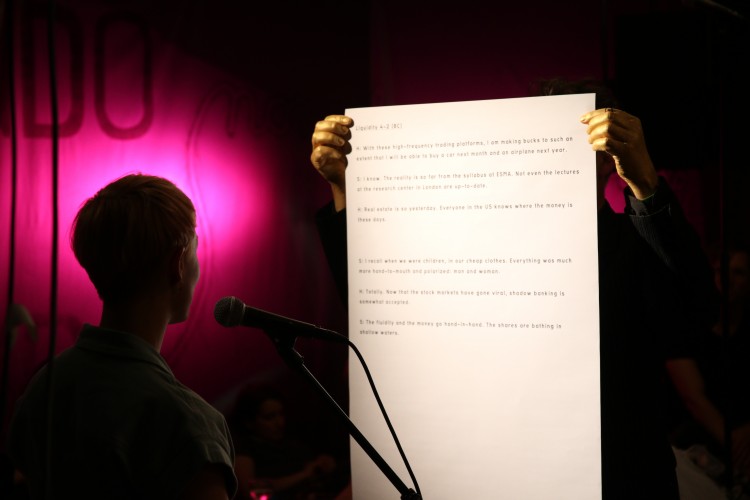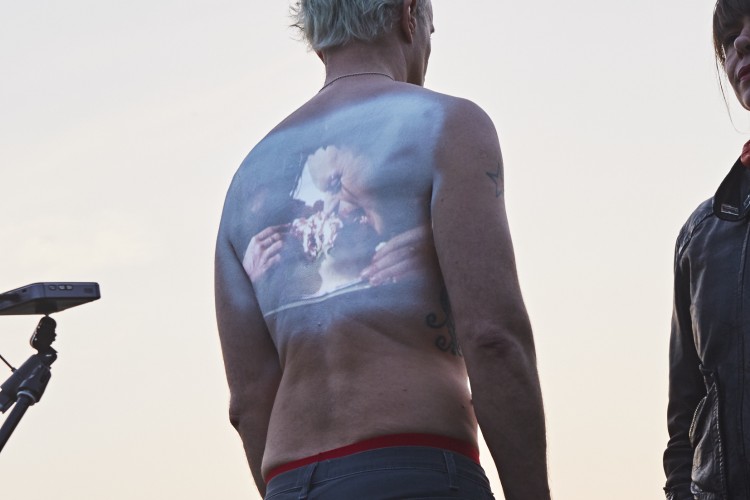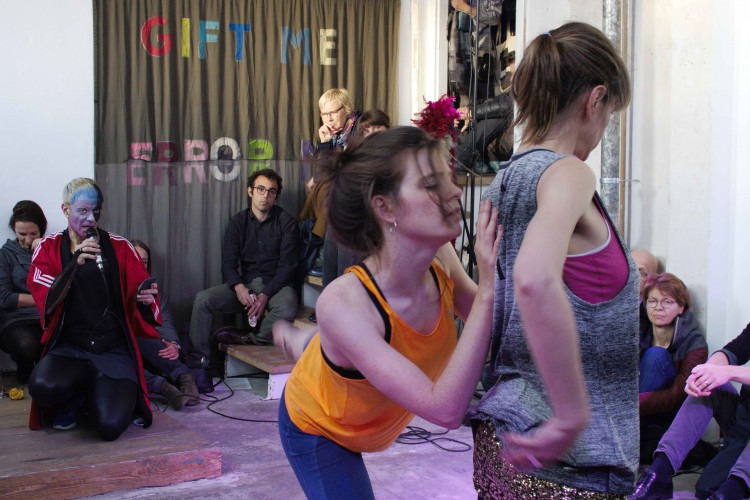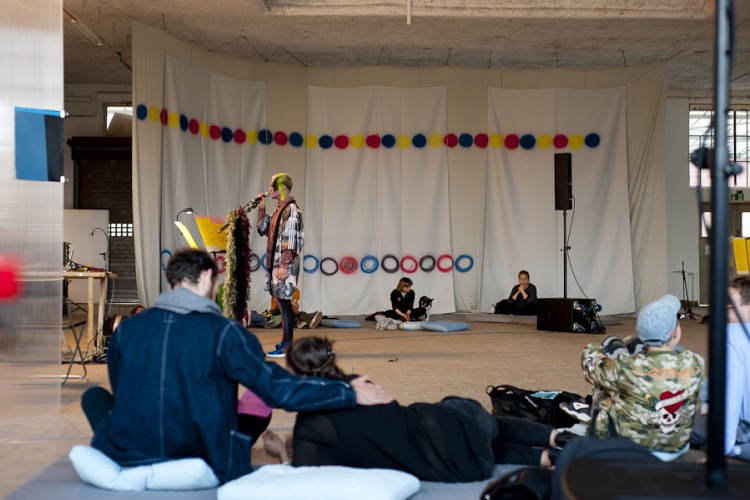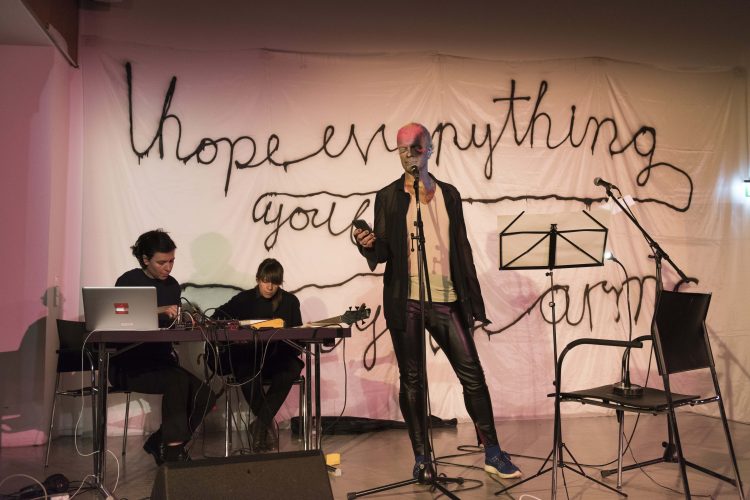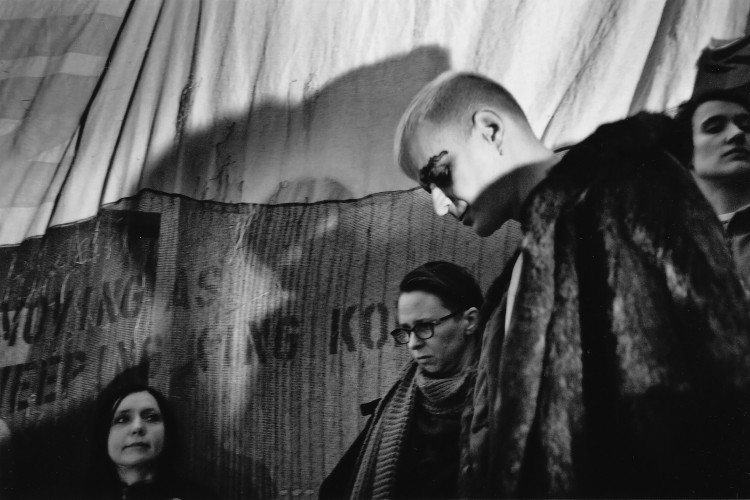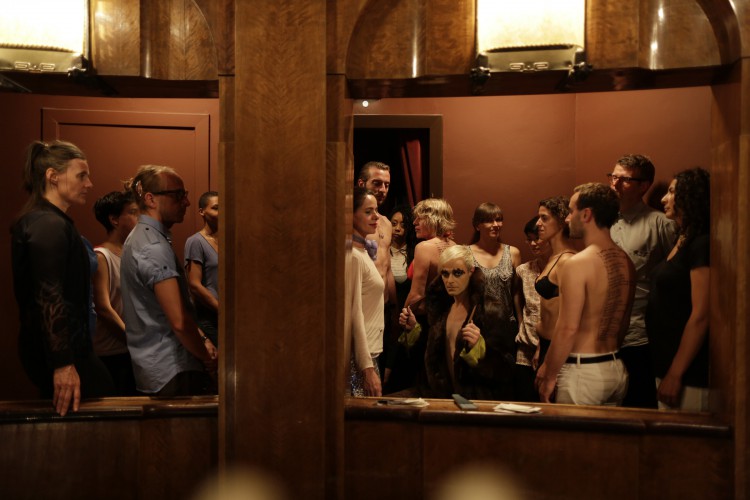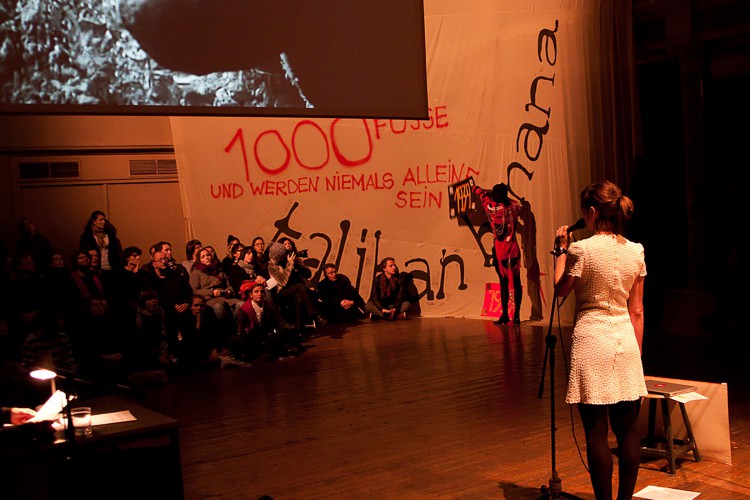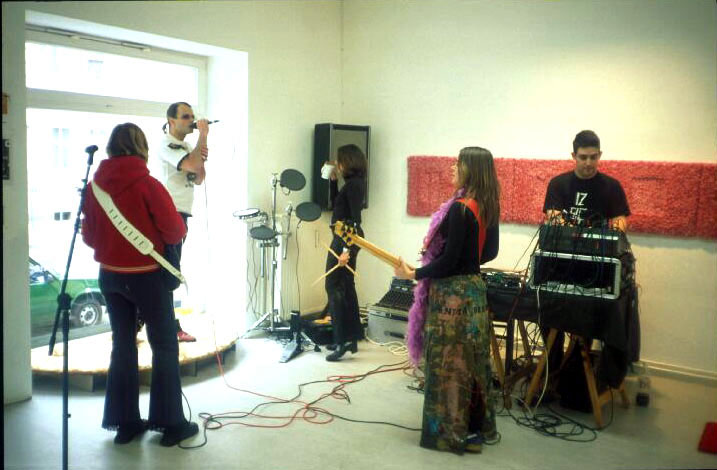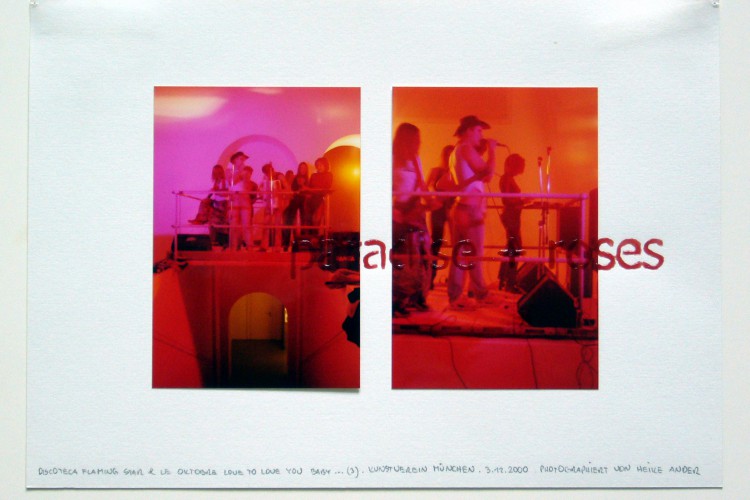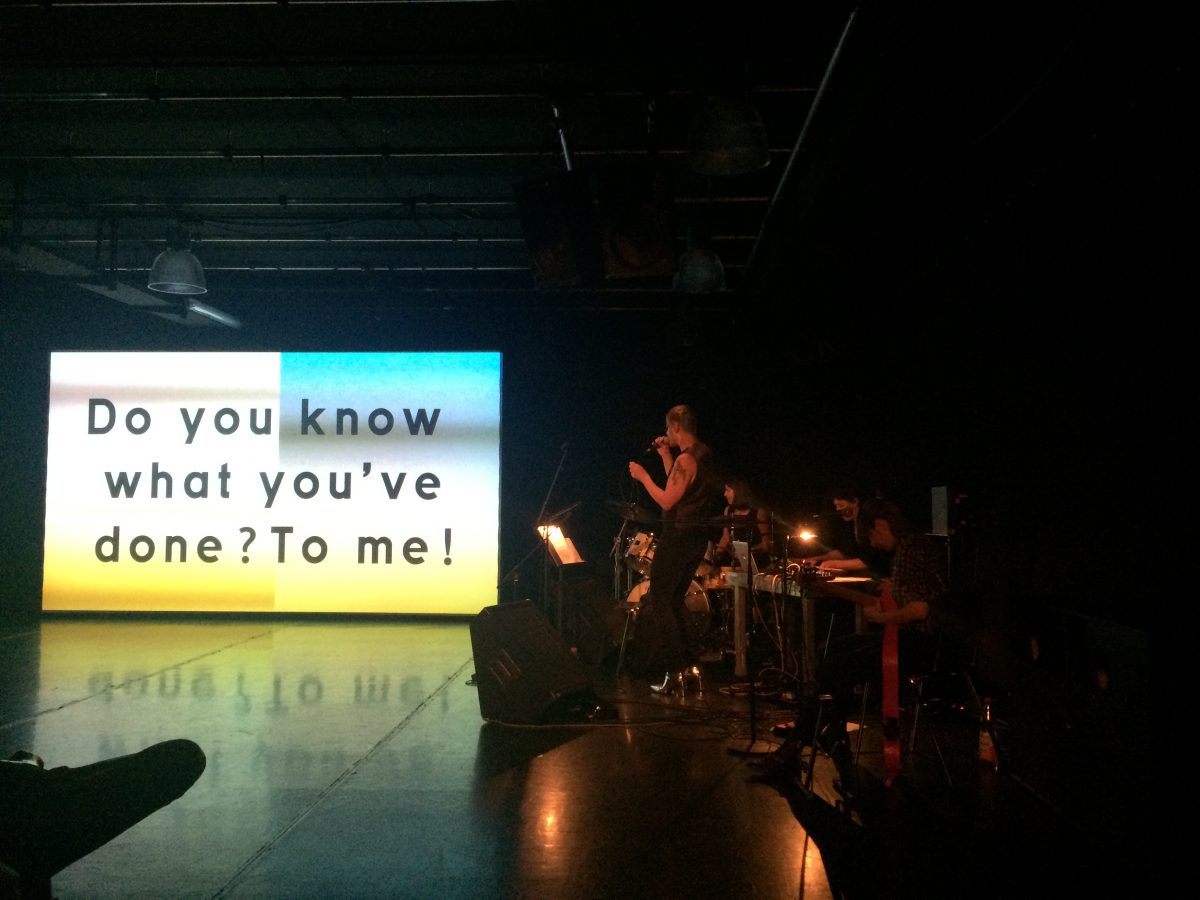
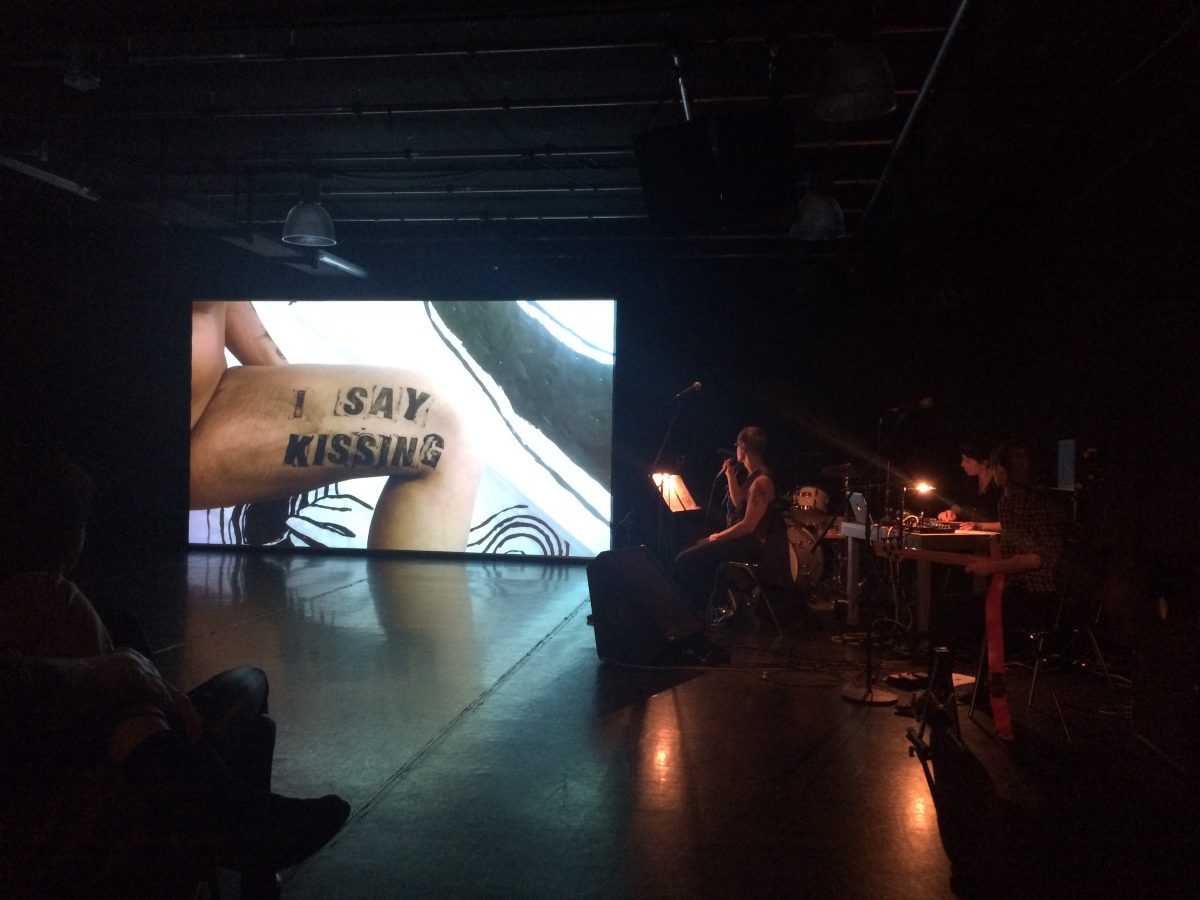
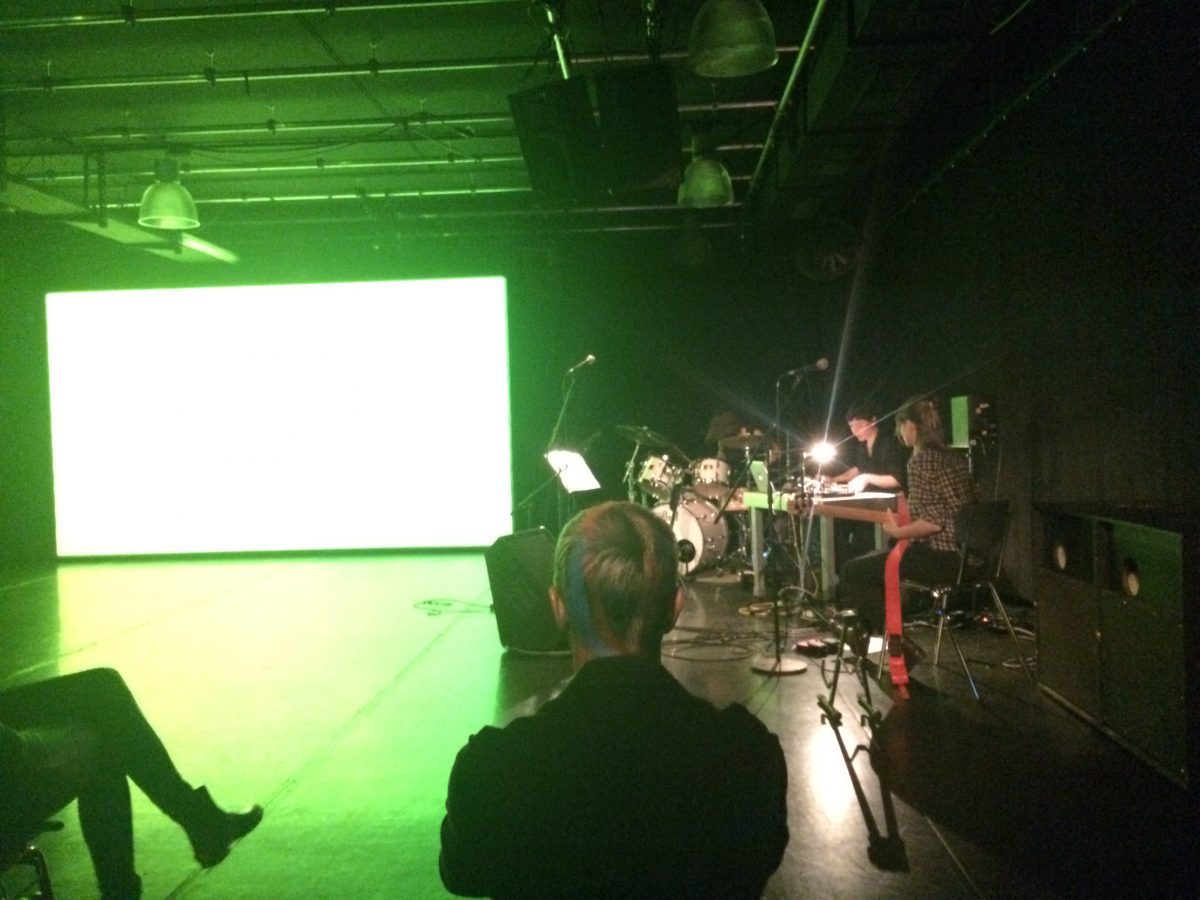
discoteca flaming star is an interdisciplinary collaborative art group, a group of people who use songs and other forms of oral expression, understanding them as a personal response to historical events and social and political facts.
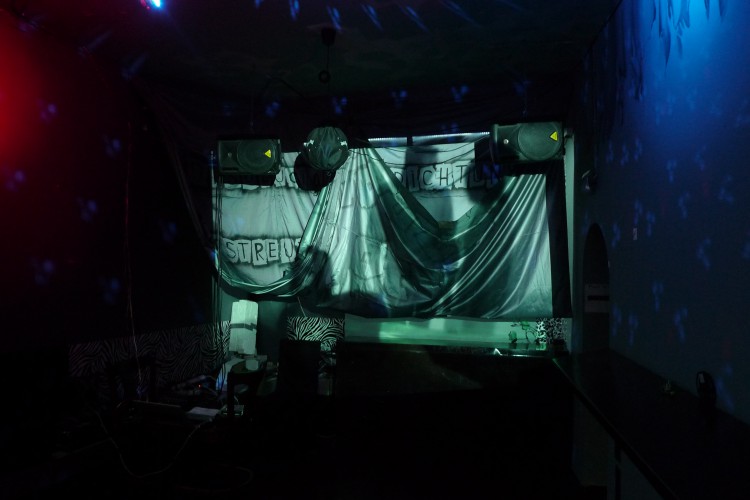
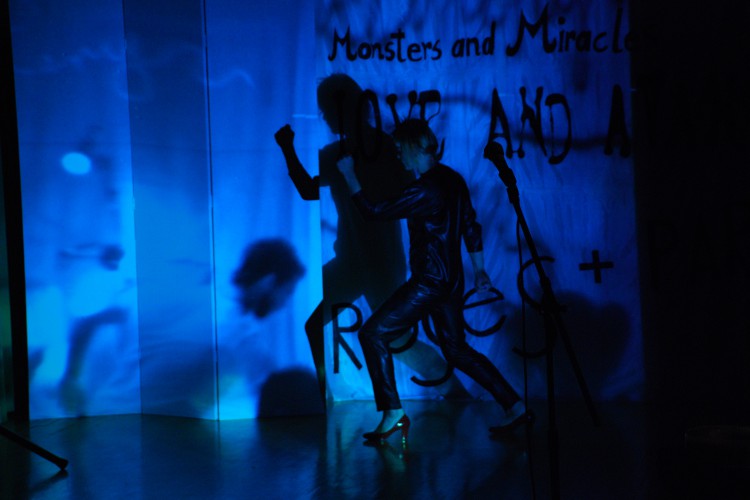
Through conceptual, visual 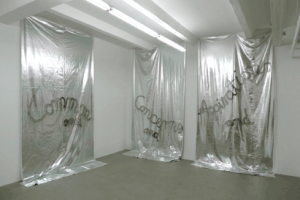 and musical transfers, they create performances, sculptures, drawings, stages and situations whose foremost intention is to question and challenge the memory of the public, transforming old desires and finding invented pasts, or pasts which never occurred. DFS is the place where the oracle speaks through the non-chosen. DFS is a love letter written in the present continuous, a love letter to thousands of artists.
They exploit their knowledge and lack of knowledge, working slowly, inspired by Anita Berber 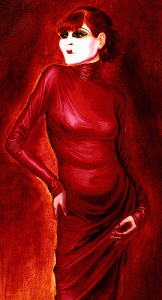 , Warhol’s wig, ghosts with no home, Rita McBride
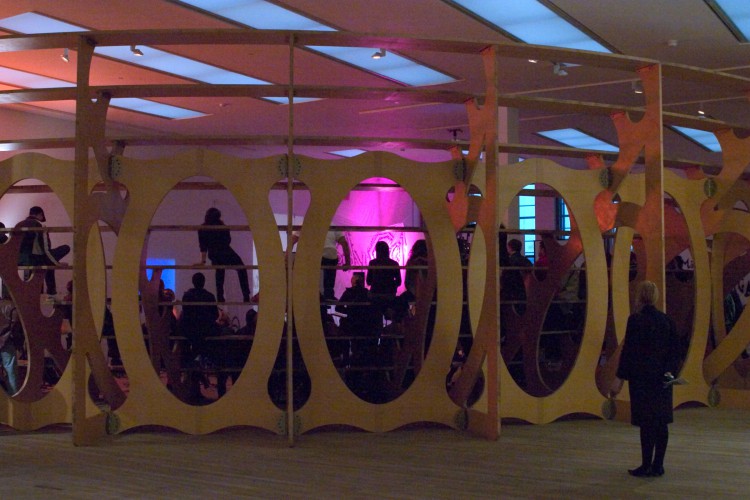
 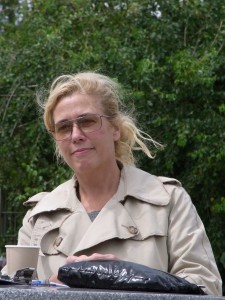 ’s „Arena“, Gregg Bordowitz
 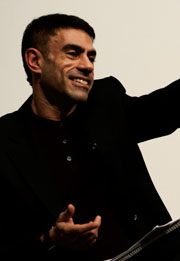 , Mary Shelley
 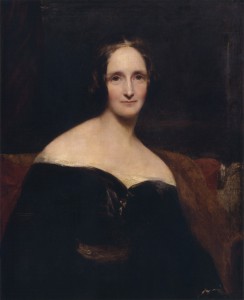 , Karl Valentin & Lisl Karlstadt, the Vienna Group
 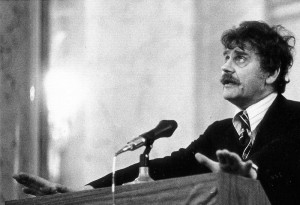 , Alvaro, Joey Arias
 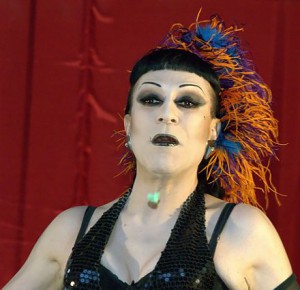 and David Reed
  ’s paintings and dialogues.
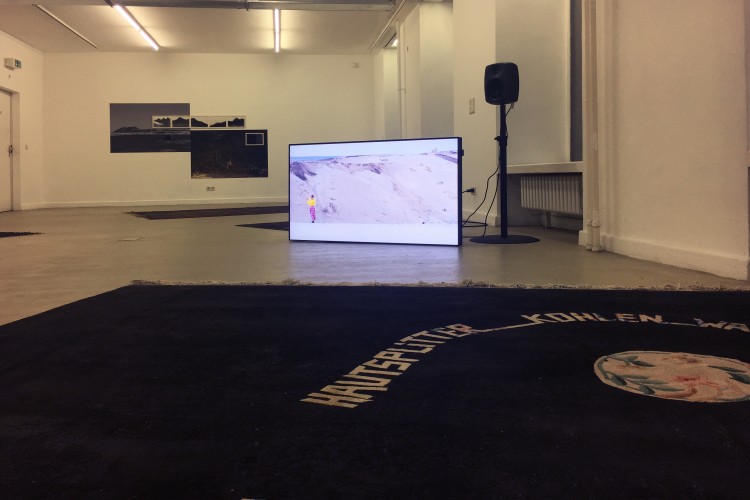
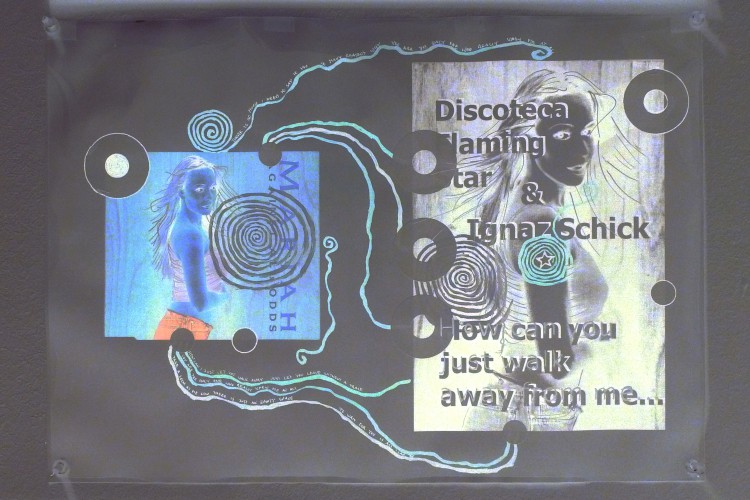
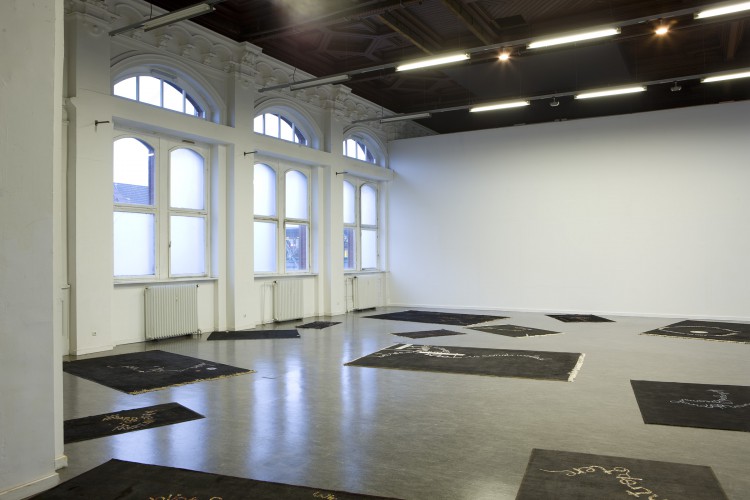
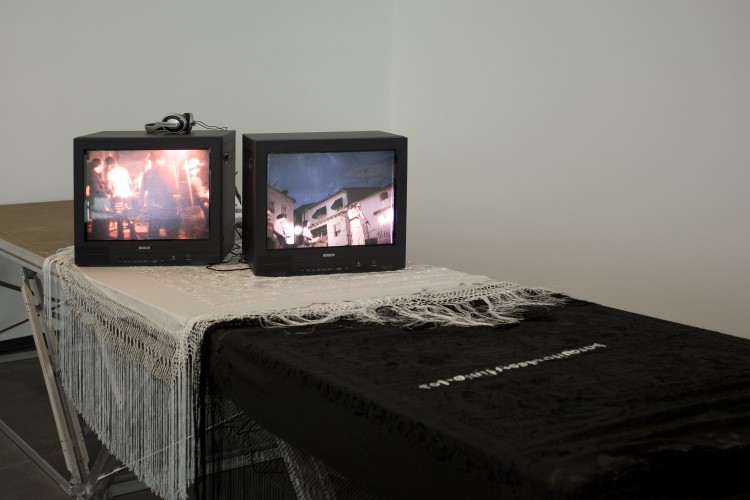
DFS present wonderful songs of love, consumption, fervour and feminism, carpets that help to cross burning bridges, fragile essays as drawings, and things that go together even though they shouldn’t…
They act directly in the gap between action and documentation, generating and finding documents that can be used to articulate strange tongues and languages that incite action and argument.
works